







Search Results for: Xinhui Green Tangerine
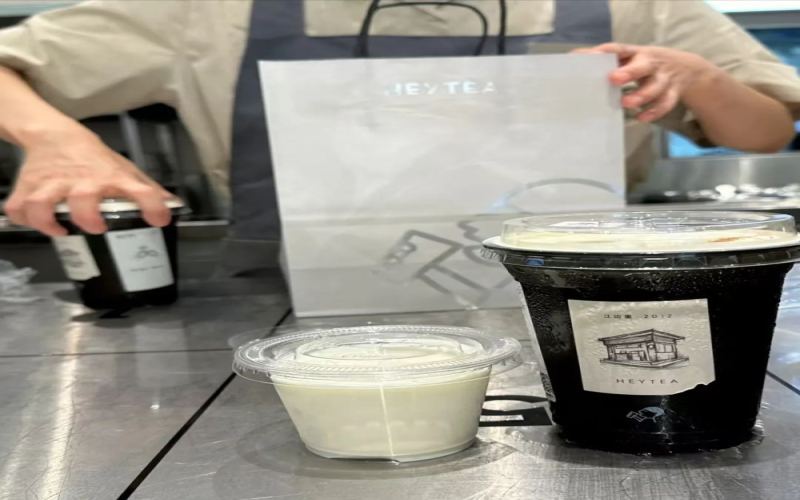
HEYTEA's Cheese-capped Ganpu Tea Hits Nationwide, Sparking Heated Debate: Green Tangerine and Chenpi Flavor Divides Opinions
Heytea has rolled out its limited-edition drink from its original riverside store, Chee Chee Ganpu, nationwide, attracting many consumers to try it with a buy-one-get-one-free offer. This tea drink, blending Xinhui green tangerine from Jiangmen, Yunnan ripe pu'er, and dried tangerine peel powder, quickly became a hot topic thanks to its unique regional flavor. However, after its nationwide launch, consumer reviews have shown a clear polarization: customers from Guangdong feel a sense of familiarity because they know the taste of ganpu and dried tangerine peel, and eagerly recommend it; first-time tryers from other regions bluntly say it tastes like Chinese herbal granules or herbal tea with milk cap, and even say their rosy illusion has been shattered. Online prophets say the drink's regional character is too strong and it is destined to be hard to promote on a large scale. This article sorts out the formula features, launch background, and real feedback from netizens on Chee Chee Ganpu, presenting a complete picture of this phenomenal single product for coffee and tea drink lovers. [more…]

Bawang Chaji's Golden Crow Fuyao New Release Splits Opinions: Green Mandarin Pu'er Meets Milk Tea, Badge Blind Boxes Spark a Collecting Craze
On September 14, Chagee launched a new freshly brewed milk tea called "Golden Crow Soaring," combining Xinhui green tangerine with Yunnan Pu'er and championing the concept of modern Eastern tea. The accompanying "Golden Crow Soaring blind-bag badges" merchandise sparked a collecting frenzy, with the four zinc alloy badges becoming a new target for figure collectors. Yet reviews of the drink itself are sharply polarized—some praise its rich layers, while more people complain that the oolong flavor is too heavy, with a medicinal taste or even a dog-poop note. Veteran tea drinkers suggest drinking it with regular sugar to ease the bitterness. This article sorts through the taste controversy surrounding the new product and the merch-collecting guide, offering reference for coffee and tea enthusiasts. [more…]
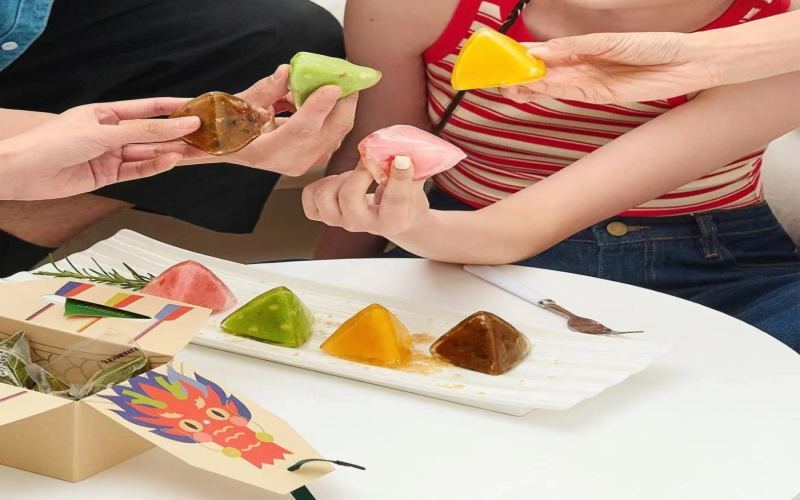
Starbucks 2023 Frappuccino Zongzi newly launched: four flavors paired with popping candy dip, coffee elements upgraded again
As the Dragon Boat Festival approaches, Starbucks' 2023 Frappuccino Zongzi arrives as scheduled. This year, four flavors have been launched, one fewer than last year, with the price remaining at 198 yuan per bag. In addition to classic flavors like lychee coconut and peach oolong, the lime cheese espresso flavor continues to incorporate coffee elements into the zongzi. To enhance the tasting fun, Starbucks has also specially provided two types of popping candy dipping powders: pepper spicy and Xinhui tangerine peel. Purchasers can receive a black-and-white tote bag as a gift, but the early bird bag giveaway has been canceled. This article gives you an overview of all the highlights of this year's Frappuccino Zongzi. Coffee lovers might want to pair them with Front Street Coffee's selected beans for a unique Dragon Boat Festival experience. [more…]
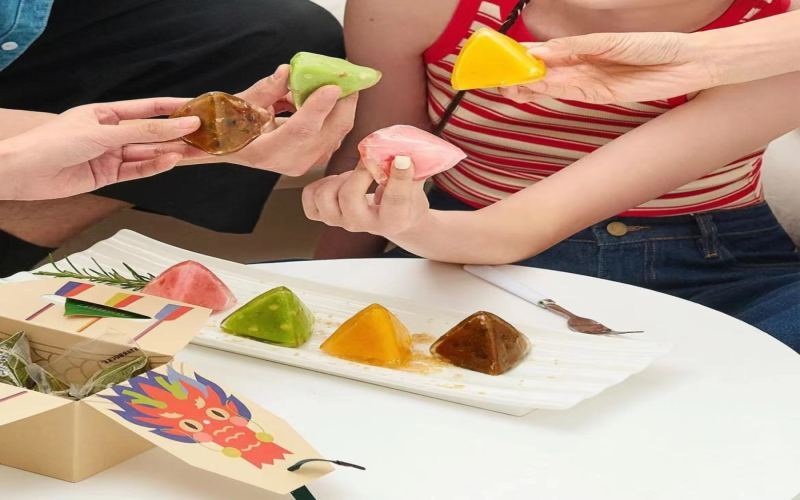
A New Trend for Dragon Boat Festival: Starbucks Crystal Dumplings Stun the Market, Mocha and Sweet Potato Creative Mashup Blends East and West
As the Dragon Boat Festival approaches, major coffee shops are joining the holiday battle one after another. Starbucks has once again launched its creative Frappuccino-style zongzi this year, bringing four all-new cool flavors and pairing them with versatile tote bags, injecting coffee-inspired novelty into the traditional festival. From coconut and lychee to espresso, and even salted egg yolk cheese, each one blends Chinese and Western elements to challenge your taste buds. In addition, Starbucks has specially included two kinds of popping candy dipping mixes, making the tasting experience even more fun. Presales begin on May 4, with an 8-piece set priced at 198 yuan, the early-bird bag canceled, and replaced by a choice between black and white tote bags. Coffee lovers, are you ready to try something new? [more…]

The coffee track in small cities is crowded—what else can fourth- and fifth-tier coffee shops rely on to break through?
As the coffee markets in first- and second-tier cities gradually become saturated, more and more brands are turning their attention to small cities in the fourth and fifth tiers, making the county-town coffee track unusually crowded. Using Xinhui District in Jiangmen, Guangdong as an example, this article reviews the local coffee shop scene from Starbucks' entry to the explosive growth of community stores, analyzes the three major challenges facing coffee shops in small towns: excessive competition within the same area, the downward expansion of large chain brands, and shortcomings in their social-space attributes, and observes some store owners' new idea of shifting toward a "si-doh" convenience-store model, exploring the survival space and future direction of coffee shops in small towns. [more…]

Why Does Light Roast Coffee Often Have Citrus Notes? Eight Front Street Light Roast Beans Worth Trying
Citrus, floral notes, and fruity acidity are almost the signature labels of light to medium-light roasted coffee. Browse the descriptions of a whole array of coffee beans with floral and fruity profiles on the market, and eight or nine times out of ten the word "citrus" will appear—sometimes placed at the very front, sometimes tacked on at the end. Even when the literal characters "gan" or "ju" don't appear, it's mostly swapped for lemon, sweet orange, grapefruit, tangerine, or similar fruits of the same family. These beans are usually light or medium-light roasted. So where exactly does the citrus sensation come from? And which light-roasted beans with prominent floral and fruity aromas and a solid reputation are worth trying? This article starts with the aroma composition of citrus fruits, combines the fruit attributes of coffee itself with the influence of roast level, explains the source of this flavor association, and compiles eight light-roasted coffee beans recommended by the Front Street brand for enthusiasts to reference when shopping. [more…]
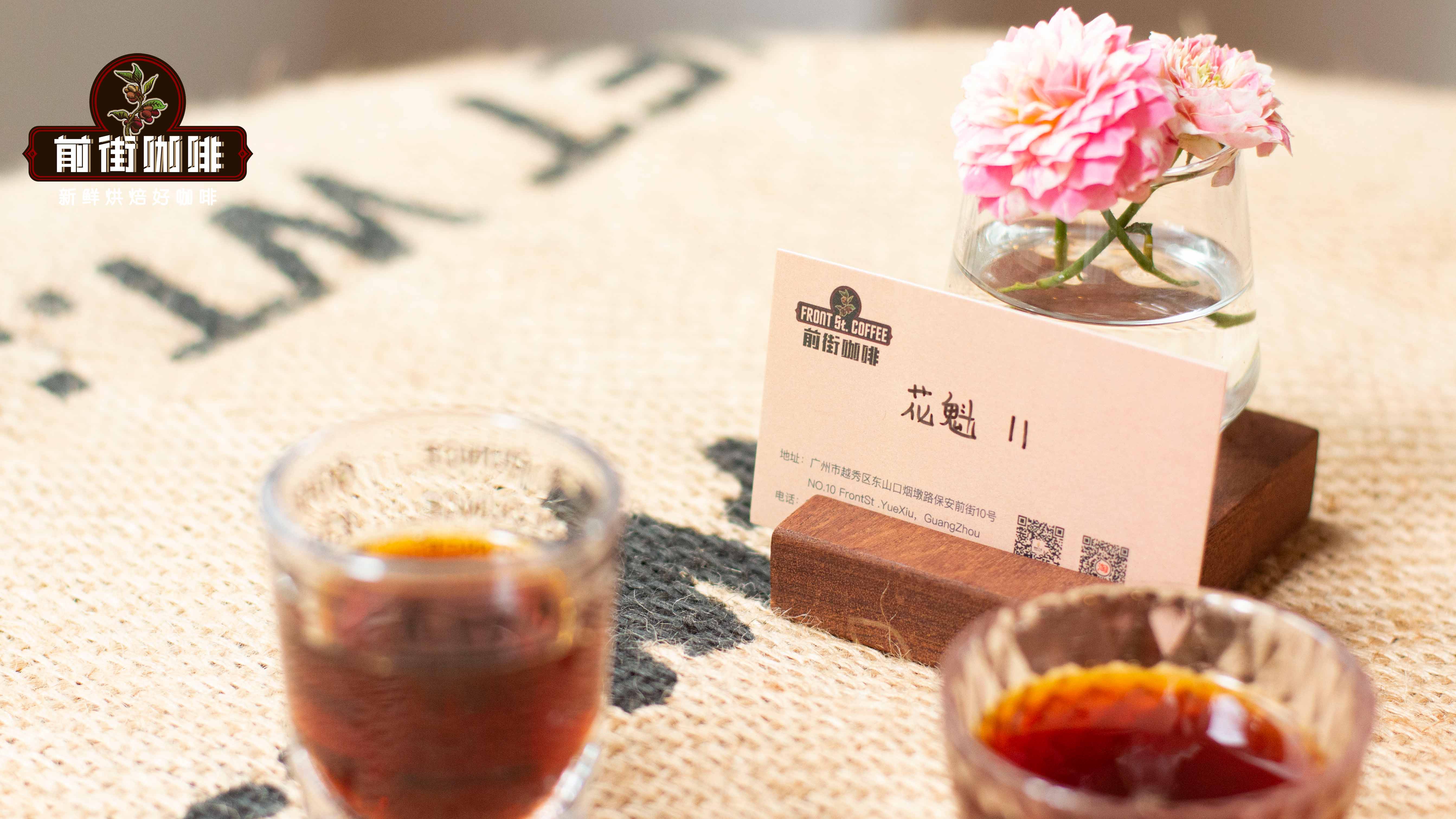
Washed vs Natural Hual魁 Cupping Comparison: Full Analysis of Flavor Differences, Processing Methods, and Pour-Over Parameters
Also from the Hambela area of the Guji region in Ethiopia, how do the two processing methods—natural and washed—bring about completely different flavor expressions in Huakui? This article systematically compares Front Street Natural Huakui and Front Street Washed Huakui, from origin background, green bean appearance, cupping data, to pour-over recommendations. The natural version wins with its explosive aromas of passion fruit, strawberry, and jackfruit, while the washed version stands out for its clean mouthfeel with green tea, green mandarin, and a black tea finish. Although the cupping scores differ, each style has its own followers and suits coffee lovers with different preferences. [more…]
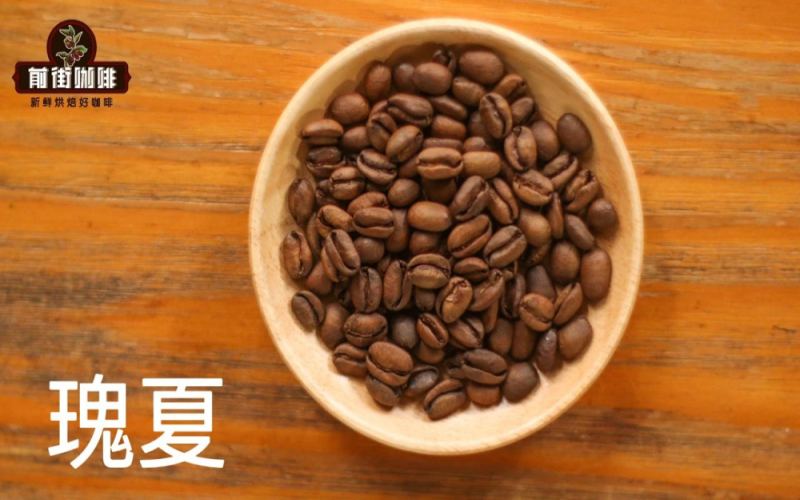
Analysis of the Flavor Characteristics of Panama Geisha Coffee: Variety Origins, Differences Between Hacienda La Esmeralda's Red and Green Labels, and Price Reference
Geisha is one of the most talked-about varieties in today's specialty coffee world, winning over countless coffee lovers with its distinctive citrus aroma and honeyed charm. In this article, from the perspective of Front Street, we will systematically sort out the flavor characteristics, varietal origins, and spread of Geisha coffee, with a focus on how Panama's Hacienda La Esmeralda discovered Geisha's potential, and a detailed explanation of the grade differences, flavor performance, and price ranges of Red Label and Green Label Geisha. At the same time, Front Street will also share pour-over brewing parameters and a three-stage extraction method for high-grade Geisha, helping readers more fully experience this variety's floral and fruity profile. [more…]
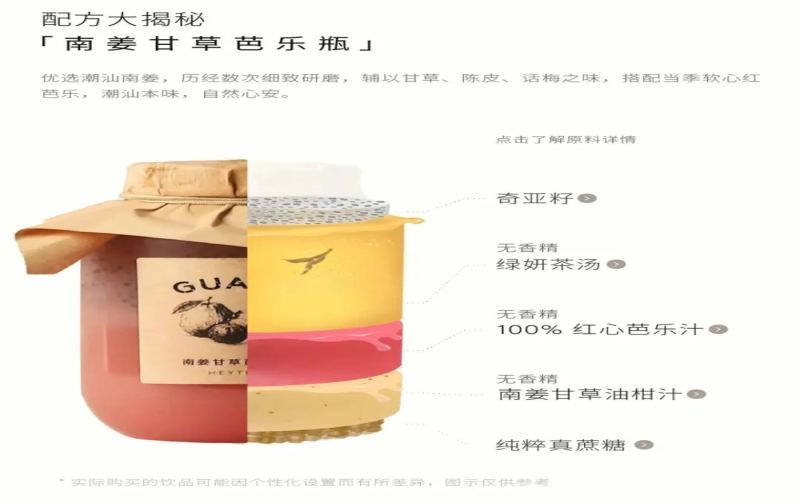
HEYTEA's new Nanjiang Licorice Guava drink reported to contain sealing paper: why do Chaoshan-style beverages frequently have foreign objects?
In late February, Heytea launched a new product inspired by Chaoshan licorice fruit, the "Nanjiang Licorice Guava Bottle," mixing guava juice, nanjiang plum powder, licorice powder, dried tangerine peel powder, and preserved plum powder with a tea base and oil mandarin juice, in an effort to replicate the flavor of street-side licorice fruit. However, after this distinctly Chaoshan-flavored new product hit the market, controversy has been continuous: Chaoshan consumers generally reported that they could not taste the nanjiang flavor they remembered, while customers from outside the Chaoshan region were full of doubts about how strong the ginger flavor was and whether it was spicy. More notably, multiple consumers drank a complete round sealing paper from the bottle, suspected to be caused by the double-layer sealing design allowing the paper to be pushed into the drink by the straw. Heytea customer service responded that the paper is a food-contact-grade material and does not affect consumption. This article will sort out the development approach, packaging design, and the ins and outs of the foreign object incident for this new product. [more…]

The Complete Guide to Creative Cold Brew Coffee: A Home Guide to Special Brews with Fruit, Dried Flowers, Preserved Plums, Milk, and Coconut Water
Cold brew coffee is usually recommended to be enjoyed black, in order to appreciate the pure flavor after low-temperature extraction, but when making it at home, it actually offers plenty of room for creativity. Front Street Coffee has put together five hidden ways to drink it today: adding fruit, dried flowers, preserved plums, milk, or coconut water — each one gives cold brew a completely different personality. Beans suitable for fruit cold brew include natural-process Huakui, washed Fruit Punch, Strawberry Candy, Sidra, and Kenyan Cherry Tomato; when choosing fruit, pay attention to whether it can withstand long soaking and whether its aroma is compatible — Kyoho grapes, white peaches, lychees, strawberries, cherries, and sweet oranges are all good choices. As for dried flowers, osmanthus, jasmine, and rose pair best with light-to-medium roast beans that have floral and fruity notes. Preserved plums and nine-process dried tangerine peel can bring a complex aroma with salty-sour notes and a sweet aftertaste. Milk cold brew comes in two forms: direct soaking and mixing in fresh milk. Coconut water mixed with cold brew at a 1:1 ratio is refreshing and cooling. [more…]
Analysis of the Flavor and Estate Story of Guatemala Santa Felisa Estate Red Pacamara Maragogype K72 Process
Pacamara Maragogipe is a cross between the Pacas and Maragogipe varieties, combining rich flavor with an elegant texture. Guatemala's Santa Felisa Estate, founded in 1904, is located in the Acatenango Valley and is known for its eco-friendly farming methods, eight processing methods, and insistence on hand-picking at 21 degrees Brix, consistently ranking among the top in the COE. The estate weathered the impact of leaf rust, losing its organic certification yet still upholding its ecological philosophy. Its K72 processing method combines repeated fermentation with washed and sun-dried techniques, giving the coffee bright, clean flavors of citrus notes, dried tangerine peel aroma, cherry, and sweet persimmon. Front Street Coffee recommends brewing with a Hario V60, 90°C water temperature, and a three-pour method to showcase this Red Pacamara Maragogipe's lingering sweetness and smooth mouthfeel. [more…]

Universities and time-honored brands rush into wellness milk tea: what are the transformation paths and challenges for the milk tea industry?
When milk tea cup sleeves at Fudan University Medical School are printed with drug instructions, when Beijing University of Chinese Medicine adds ginger, cinnamon, dried tangerine peel, red dates, and goji berries to milk tea, and when Shanghai's time-honored Chinese medicine brand Tong Han Chun Tang uses "medicine and food homology" as a selling point to launch ginseng and peach gum milk tea, the milk tea category is undergoing a transformation attempt from "junk food" to "health drink." University cafeterias, Chinese medicine shops, and time-honored brands are all crossing over into the market, trying to reshape the image of milk tea with the concept of health. At the same time, milk tea brands are also making changes on the ingredient side, with fresh fruit and fresh milk replacing non-dairy creamer as selling points. However, news about milk tea on trending searches is repeatedly linked to food safety issues, and the road to transformation is not smooth. [more…]

A Complete Analysis of African Coffee Origins, Flavors, and Processing Methods: Bean Characteristics of Ethiopia, Kenya, and Other Countries
As the continent of coffee's origin, Africa produces beans renowned worldwide for their bold aromas and lively fruit acidity. Due to arid climates, the natural process has become a traditional choice in many producing regions; while the bean shape may not be perfect, it gives rise to richly layered flavors. From Ethiopia's Yirgacheffe to Kenya's SL28, from Burundi's double washing to Rwanda's Bourbon, each producing region has a unique terroir expression. This article systematically reviews the cultivation patterns, processing techniques, and flavor characteristics of Africa's major coffee-producing countries, and introduces several representative African single-origin coffees from Front Street Coffee, guiding you to a deeper understanding of this continent's coffee charm. [more…]
Global Major Coffee Varieties Flavor Guide: An Analysis of Regional Performance from Geisha to Catuai
The same coffee variety, when grown in different countries and regions, often develops a drastically different flavor profile in the cup. This article sorts through the specific flavor expressions of major varieties such as Geisha, Typica, Bourbon, Maragogipe, Kent, Pacas, Pacamara, SL28, SL34, Mundo Novo, and Catuai in places including Panama, Costa Rica, Colombia, Guatemala, Peru, Honduras, Mexico, Brazil, Nicaragua, Tanzania, India, El Salvador, and Kenya. Whether you want to understand Geisha's floral and citrus lineage or clarify Bourbon's chocolate-caramel undertones, this correspondence between varieties and regions can provide an intuitive reference. Front Street Coffee also suggests that in actual brewing, you should make a comprehensive judgment based on roast level and processing method to more accurately reproduce these flavor descriptions. [more…]

Is Coffee Considered Traditional Chinese Medicine? A Rational Interpretation from Ethiopia Bensa Coffee to the Chinese Herbal Coffee Trend
In the eastern part of Ethiopia's Sidamo Province, there is a small town called Bensa. Local coffee is exported under the town's name, jokingly dubbed "Bensa coffee," which has sparked an amusing meme: coffee is traditional Chinese medicine, and drinking more can promote health. Behind this joke, herbal coffee has indeed become a new consumer trend in recent years, with brands like Tongrentang launching products such as goji berry lattes and hawthorn-chenpi Americanos, attracting a large number of young consumers. However, blending traditional Chinese medicine with coffee is not something to be done casually; how to harmonize the flavors of medicinal herbs and coffee beans, and how to grasp the concept of medicine-food homology, are all worth serious discussion. This article will take you through the origins and development of this "herbal coffee" trend, as well as the issues that need attention. [more…]

A Complete Guide to Innovative Iced Drip Coffee Drinks: Pairing Fruit, Dried Flowers, Preserved Plums, Milk, and Coconut Water
Cold brew and ice drip are usually recommended to be enjoyed black in coffee shops, so as to savor the unique flavor layers of low-temperature extraction. But for coffee lovers who are keen on making coffee at home, these two types of coffee are far more versatile than that. By adding different ingredients such as fruit, dried flowers, preserved plums, milk, or coconut water, an ordinary cold brew can transform into a completely different taste experience. This article compiles five hidden ways to drink cold brew and ice drip summarized by Front Street Coffee, explaining everything from bean selection to pairing ideas one by one, helping you easily recreate at home the creative specialty drinks sold for fifty yuan a cup in coffee shops. [more…]

Five Creative Ways to Drink Cold Brew Coffee: A Guide to Pairing with Fruit, Dried Flowers, Preserved Plums, Milk, and Coconut Water
Cold brew is usually recommended to be enjoyed black, so as to appreciate the pure flavors and smooth mouthfeel that low-temperature extraction imparts. However, home enthusiasts have long since explored a rich variety of ways to flavor it. Simply by swapping in a different ingredient, cold brew can be transformed into a completely different taste experience. This time, Front Street Coffee has systematically put together five simple and easy-to-make innovative cold brew recipes—from fruit and dried flowers to preserved plums, milk, and coconut water—analyzing the principles of ingredient selection and pairing tips one by one, and offering practical suggestions down to the specific bean varieties and ratios. Whether you prefer bright fruity notes or rich milky flavors, you can find the cup that suits you, and easily recreate at home a limited-edition specialty drink that rivals any coffee shop. [more…]
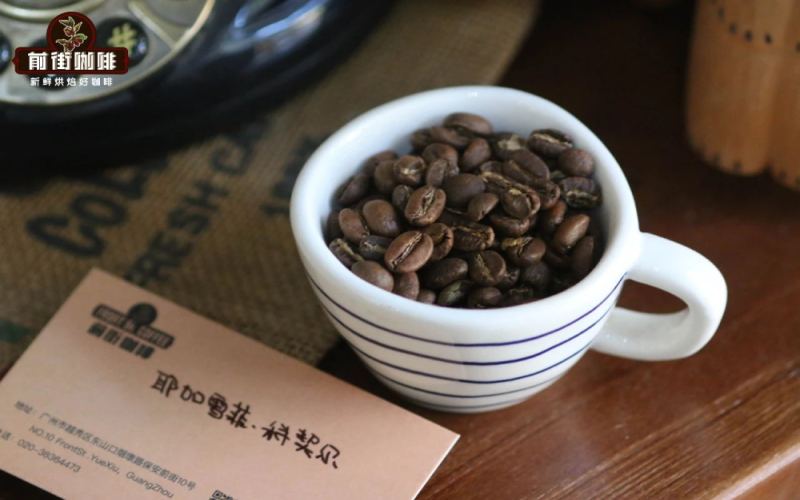
Front Street Coffee Yirgacheffe Kochere G1 Washed Heirloom: A Comprehensive Analysis of Flavor Characteristics and Processing Methods
Yirgacheffe, as a flagship region for Ethiopian specialty coffee, has its Kochere sub-region's washed G1 heirloom varieties consistently drawing attention from international buyers. This article focuses on Front Street Coffee's Ethiopia Yirgacheffe Kochere G1, outlining its regional background, cooperative production model, washed processing technique, and green bean packaging technology, while describing its flavor profile in detail—from floral aromatics and citrus sweetness to a black tea finish. Whether you are a newcomer just getting into specialty coffee or a seasoned connoisseur looking for a daily staple, you can gain a complete picture of this coffee and its brewing possibilities. [more…]
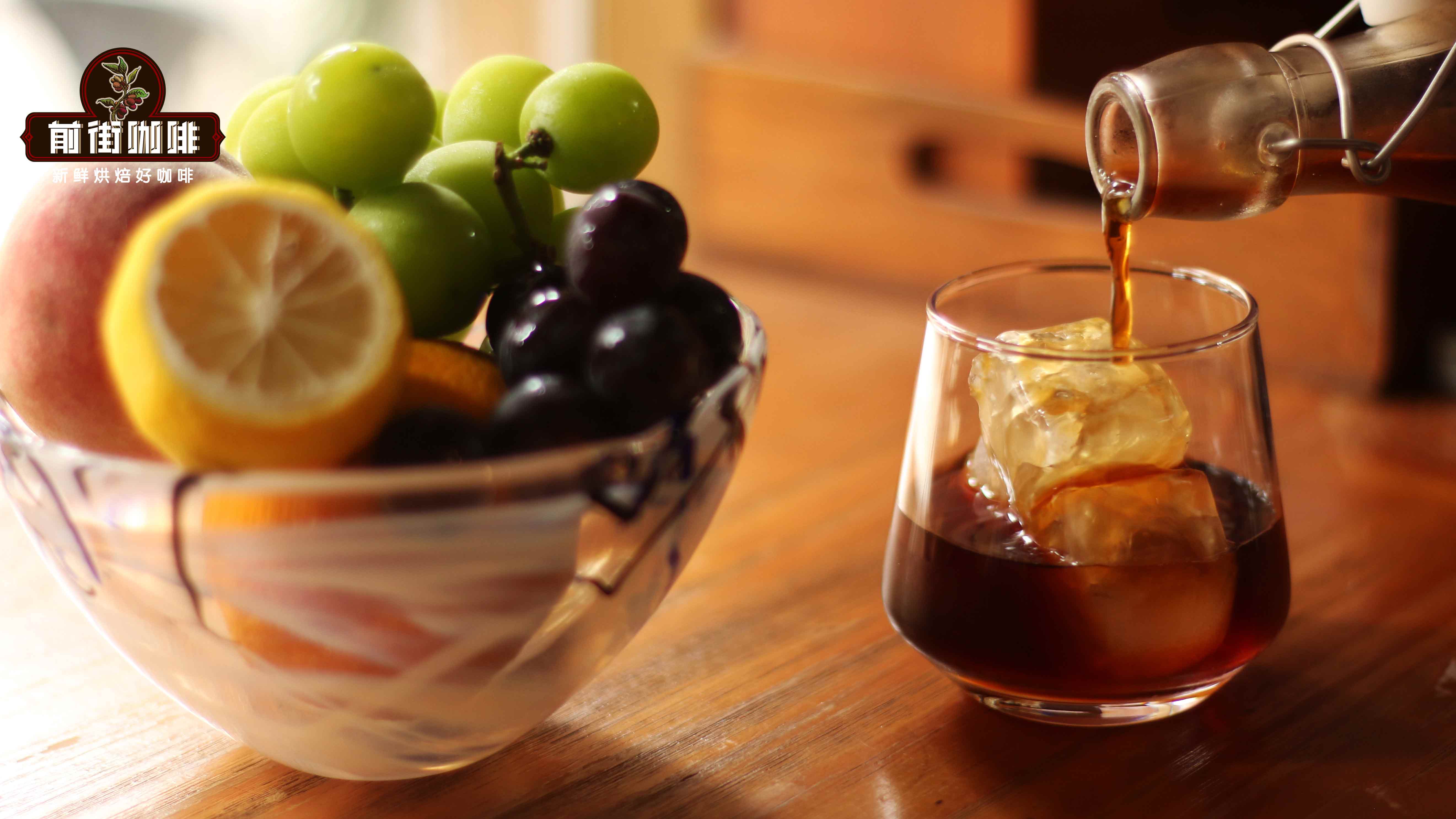
Fruity and Floral Single-Origin Coffee Recommendations | Why Does Hand-Brewed Black Coffee Taste Like Fruit? What's the Difference in Fruity Flavors Between African and South American Coffee Beans?
Fruity coffee fruit flavors often present a natural sweet-and-sour aroma, making them one of the most prized qualities in specialty coffee. They are generally divided into stone fruits (peach, apricot, apple), citrus (orange, lemon, pomelo, sweet orange), and berries (raspberry, strawberry, blackberry, blackcurrant, cherry). Generally speaking, [more…]

How to Make Delicious Iced Pour-Over Coffee: Four Practical Brewing Methods and Detailed Parameters
When the weather turns hot, iced coffee becomes the first choice for many people. Iced pour-over preserves the flavor layers of pour-over coffee while adding a refreshing chill, but making a good iced pour-over isn't as simple as adding ice cubes to hot pour-over. Melting ice dilutes the coffee's strength, and directly applying hot-brew parameters often results in a weak glass of iced coffee water. This article centers on the two cores of extraction yield and strength, and compiles four zero-threshold iced pour-over methods: the high-strength high-extraction method, the ice-rinsing method, the stirring method, and the ice-bath cooling method. Each method comes with specific parameters and operating steps using a medium-light roast Front Street Coffee Kafa Forest as an example, helping you easily make a full-flavored, sweet-and-sour balanced iced pour-over at home. [more…]